Acast Classics: Interview with 'The Witness: In His Own Words'
In this interview, journalist and co-creator of The Witness: In His Own Words, Nicola Tallant, talks to us about the importance of Joey O'Callaghan telling his story in his own voice, how creating the podcast differed from writing the book, and why it remains so vital for audiences to hear.
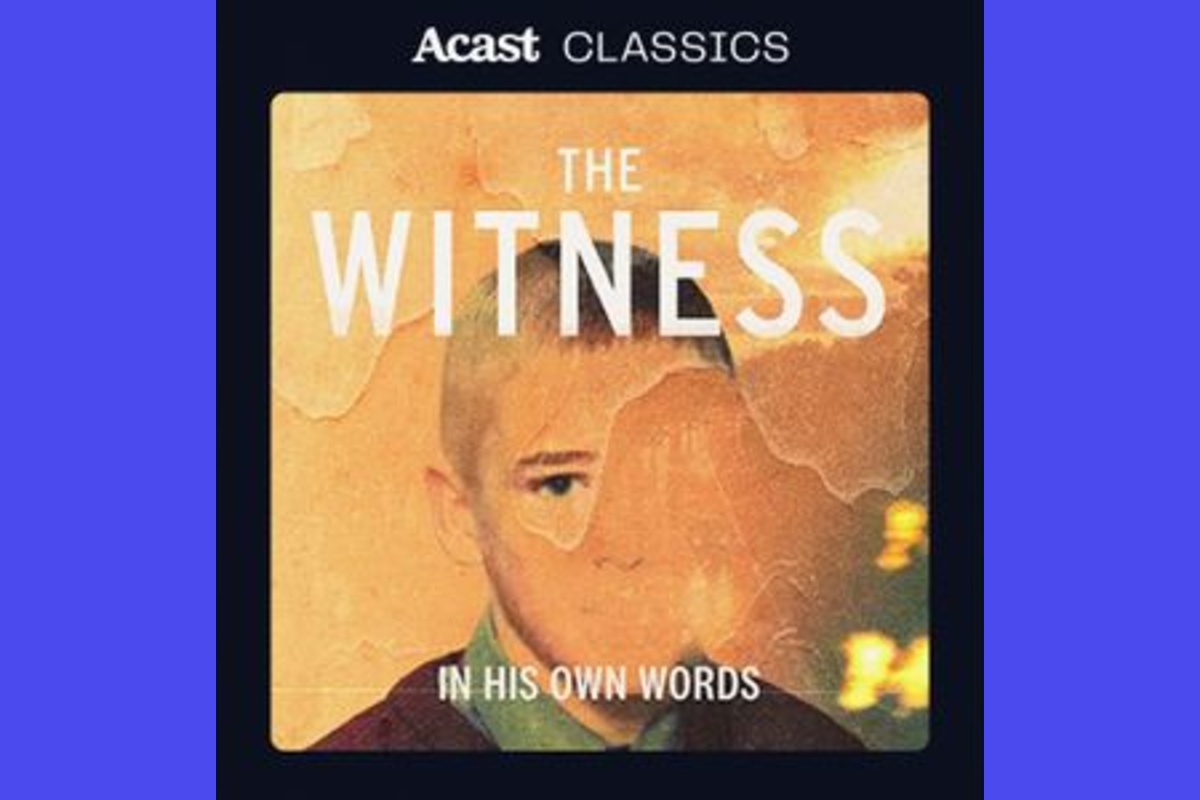
The Witness: In His Own words was released in 2021 after the success of a book with the same title. The Witness brings you through the story of the youngest person to end up in the witness protection programme and how he ended up in this situation, through his own words and storytelling.
In 2026, The Witness: In His Own Words was selected as one of the four inaugural Acast Classics alongside West Cork, Sweet Bobby and Carrie Jade Does Not Exist. In this interview, Nicola Tallant, journalist and co-creator of The Witness, talks to us about the importance of Joey telling his own story, how the creation of the podcast differed from writing the book, and why it is so important that people hear the story of The Witness.
The Witness was released in 2020, and a year later the podcast came out. What was the process of deciding to take the book and make it into a podcast?
The process of taking the book and making it into a podcast was largely based on the willingness of Joey O'Callaghan to use his voice, which was quite risky because, of course, we know that Joey was in the witness protection program and that it's important for him to hide his identity.
His voice was going to be another step. His story being in the book itself was quite nerve-wracking when it was coming out for him. He was afraid that he was going to be judged by his community but in actual fact, he received a very positive response to that (the book). So with the next step being the podcast, there was a slight worry because he has a new identity and mixes in a different world now, were people going to recognize his voice and know he was the witness?
But incredibly, people often came to Joey and said to him, "You haven't heard this podcast, The Witness. It's amazing. If you haven't listened to it, you need to listen to it." And he would sort of stand there nearly, you know, rigid, waiting for them to say, "Is it you?"
And nobody ever, ever got that. It's funny, it was really strange that that happened because I think people's voices are very recognizable, but clearly, out of context, they're not.
Did you have conversations around whether or not you should change the pitch or the tone of his voice, or was it really important that it was in his own words as the title says?
Yeah, I mean, we, you know, when we spoke about it, obviously I could have been a narrator of the story and, and in a way I was in the book. When I started writing the book, actually, I started writing the book as me (Nicola Tallant) and I was nearly finished, and I ripped it up and I wrote it as him (Joey). His voice is very important in this story, no matter what medium it's in. So we did talk about, you know, narrating it maybe through me or maybe just interviewing him and maybe changing his voice. But again, when we kind of got into it, we realized how his voice was as important as what he had to say. And I think he's got a soft voice. He has a way about him. He's very articulate, and nobody can tell your own story like you. And, and I think that's what came across
We feel this podcast is worthy of an Acast Classic but how would you describe it as a classic?
We're all very delighted and thrilled that The Witness is being deemed worthy of being an Acast Classic. I certainly, from my own experience of it, you make things, and you put them out there, and you just wonder how they're going to land.
And from the very beginning, all the response was so positive to The Witness. Only just before I came on to talk to you, I answered probably my zillionth email to somebody, this person, a teacher, wanting to tell Joey how happy they are that he has told his story, how important his story is, and how they'd love to integrate it into the classroom where they teach in a DEIS school, where kids would probably be experiencing the same kind of life that maybe he would've in the early days.
The thing about The Witness is, of all the podcasts I've ever made, um, I rarely go a day without somebody reaching out to tell me that they want to let Joey know how proud of him they are or, you know, how glad that he's told his story. There's some sort of longevity to it.
You went back and spoke with Joey's mother for a specific Mother's Day episode. What was your thinking behind wanting to have that conversation?
Well, I think Mary is so important in Joey's story. You can get from his story what a strong character, supportive character she is in his life, and yet they've had their troubles. And she never hid away from them. She always wanted Joey to tell the full story and not to try and make her come out of it better than she was.
She was very honest and open about her own problems when he was growing up and really about how people would've, I think, criticized Mary for being a mother who didn't go out looking for him when he was with Brian Kenny. So it was important to represent her properly, I think, as well as bring the two of them together and to let the listener hear how strong that relationship is, because Mary is his rock, and I think he's hers as well.
They've a very special bond, the two of them, that has survived pretty much everything and they're still as supportive to one another today as, as they've always been
What would you hope that listeners will take from listening to The Witness: In His Own Words?
I hope that listeners realise that not everybody involved in crime, in drug dealing, in organized crime even, is there by choice. That not every one of them is a bad person, that you've got plenty of good people trapped within that world. And I hope they understand and realise how difficult it is for people to get out of it once they've got in.
Whatever reasons they've got in… that it's a very difficult world to come out of. It's a very dangerous and scary world, and it's full of threats, and a lot of people don't get out of it.
But they're not all bad people. There's good people in there, too, and let's open our minds and start understanding really how it is, it's not just all black and white. There's a gray matter in the middle of all of this. And, and that's what I see as being society because I think everybody in society has their role in this.
Turning a blind eye to it, or deciding that all of this happens in different neighborhoods than the ones we live in, is part of the reason why this sort of thing happens to kids. I think we have to be very broad-minded, and we have to understand that there's good kids drawn into this world, and that they need proper help and support to come out, that we don't just wash our hands with them and think, "Well, it was their choice."
